IPA Pronunciation Dictionary with Audio & Video
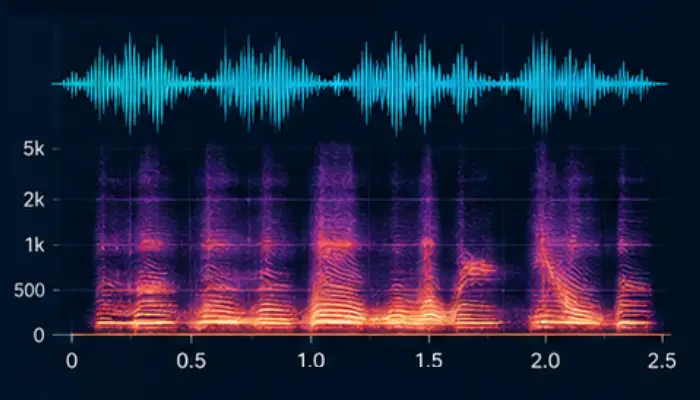
Dictionarying combines high-quality audio, interactive IPA charts, and real-time articulatory animations — diagrams that show exactly how the lips, tongue, and jaw move to form each sound. Most pronunciation tools tell you what a word sounds like. This one shows you how to physically make the sound. Currently live with Cebuano (Bisaya), with more languages coming. Start learning in your browser with the free Chrome extension, which adds interactive translation with pronunciation to Netflix, YouTube, and Coursera subtitles.
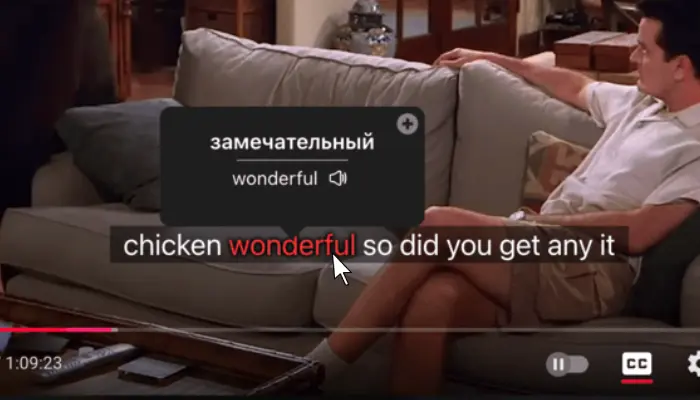
Rated 4.0/5 on the Chrome Web Store and used by over 10,000 learners, Dictionarying’s Interactive Subtitles Translator is a free Chrome extension that helps users learn languages while watching videos.
It works with platforms such as Netflix, YouTube, Coursera, Udemy, Amazon Prime Video, and even local video files, turning subtitles into an interactive learning tool. Users can hover over or click any subtitle word for instant translations, translate full sentences with one click, and customize subtitles by changing their position, size, and appearance.
The extension also includes vocabulary-learning features such as saving translated words, organizing them into a personal word library, exporting vocabulary lists, text-to-speech pronunciation, and progress tracking.
Designed for immersive, context-based learning, Dictionarying helps users naturally build vocabulary while enjoying videos, movies, and online courses.
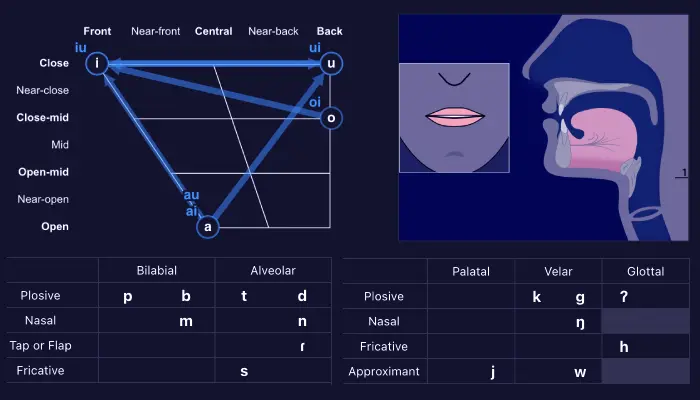
Discover how Cebuano sounds are formed through interactive audio and
visual pronunciation guides. This page lets you hear and see every core
Cebuano sound, including vowels, consonants, and common diphthongs.
Watch how sounds are articulated in real time—from simple vowels like
/a/, /i/, and /u/, to consonants such as /ŋ/, /ɾ/, and the glottal stop
/ʔ/, as well as diphthongs like /aj/, /aw/, and /iw/. By combining
acoustic analysis with clear visual feedback, Dictionarying makes it
easier to understand how each sound is produced and to develop accurate,
natural Cebuano pronunciation.
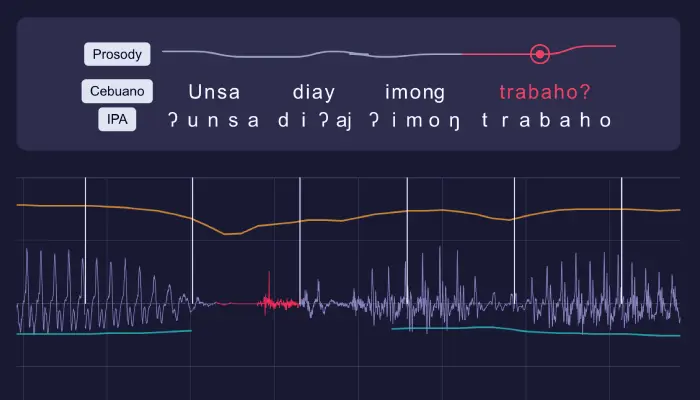
Master the Cebuano pronunciation of "Unsa imong pangalan?" (What's your name?) with a full interactive breakdown — native audio playback at multiple speeds, IPA transcription (/ˈʔun.sa ˈʔi.moŋ paˈŋa.lan/), phoneme-by-phoneme articulation guides, real-time mouth and tongue position animations, acoustic waveform analysis, and syllabic stress visualization. Includes glottal stop guidance and native speaker video reference.
Dictionarying is built by Nikita Shimin (20+ years in edtech and fintech, founder of IELTSing with 250k users), Roman Kovbasyuk (UX designer and founder of Crisp Studio), and language advisor Ben Worthington (founder of IELTSPodcast, linguistics graduate, nearly two decades training IELTS candidates). Our methodology draws on peer-reviewed phonetic research and acoustic analysis tools used in university linguistics departments.
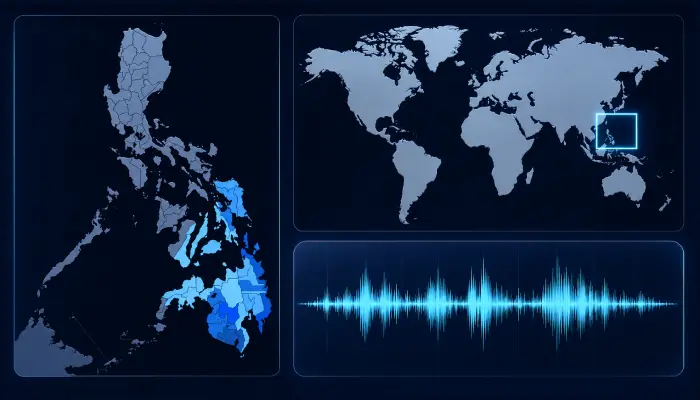
This page is a comprehensive guide to learning Cebuano, one of the most widely spoken languages in the Philippines. It explains that Cebuano, also known as Bisaya, is spoken by millions of people, particularly in regions such as Cebu, Bohol, Negros Oriental, and parts of Mindanao. The article highlights the practical benefits of learning Cebuano, including easier communication with native speakers, deeper cultural understanding, and more meaningful travel experiences in the Philippines. It also emphasizes how learning the language can help build stronger personal and professional relationships. The guide introduces key features of Cebuano, such as its relatively straightforward grammar, phonetic pronunciation, and commonly used everyday expressions. It encourages learners to focus on useful vocabulary and conversational phrases rather than striving for perfection from the start. The article also recommends immersive learning methods, including watching Cebuano movies, listening to local music, practicing with native speakers, and using digital tools like language-learning apps and subtitle translators.
Built by experts

Engineering
Founder of IELTSing. Over 20 years of experience building scalable edtech and fintech products.


Linguistics
Founder of IELTSPodcast. Specializes in pronunciation training and language learning.
Dictionarying sits at the intersection of engineering, UX design, and linguistics. Our pronunciation content is grounded in peer-reviewed phonetic research and acoustic analysis tools used in university linguistics departments. Learn more about our team, story, and methodology →
Frequently Asked Questions
- A regular dictionary gives you written definitions and pronunciations, but Dictionarying goes beyond that. It helps you hear and see how words are pronounced correctly. Instead of just reading how a word sounds, you can listen to native speakers and watch interactive animations that show you exactly how to shape your mouth and tongue to produce the correct sounds.
- Dictionarying helps language learners by providing audio and visual pronunciation guides for different languages. It uses interactive IPA charts, native-speaker audio, and real-time articulatory animations to help you master pronunciation in different languages.
- Dictionarying currently focuses on Cebuano (Bisaya), with plans to expand deeper into the Malayo-Polynesian language family over time. The goal is to create practical, beginner-friendly learning resources for regional and underserved languages, including pronunciation tools, vocabulary support, and interactive learning features.
- Yes — Dictionarying is completely free to use, with no paywalls or locked features. The website can be used without creating an account. The Chrome extension requires a free account so you can save words and vocabulary to your personal database. You can sign up quickly using Google or email.
- Yes. Alongside the browser tools, there’s also a mobile app designed to help you learn and review new words on the go: Vocabularying Android App
- The IPA (International Phonetic Alphabet) is a system used to show how words are pronounced. Many learners find IPA symbols confusing at first, so Dictionarying includes a simple interactive tool with articulatory animations that visually show how sounds are produced — making pronunciation easier to understand and practice.
- Dictionarying Chrome Extension helps you learn languages while watching videos on platforms like Netflix, YouTube, Coursera, Udemy, Amazon Prime Video, and more. Hover over subtitle words for instant translations, click phrases for full meanings, automatically pause videos while reading, and even sync your own subtitle files for a personalized learning experience. More details and features are available on the extension page.